 Deutsch


| Auction: 29 January 2026 |
|---|
| Preview: 23/24/26 January 2026 |
|---|
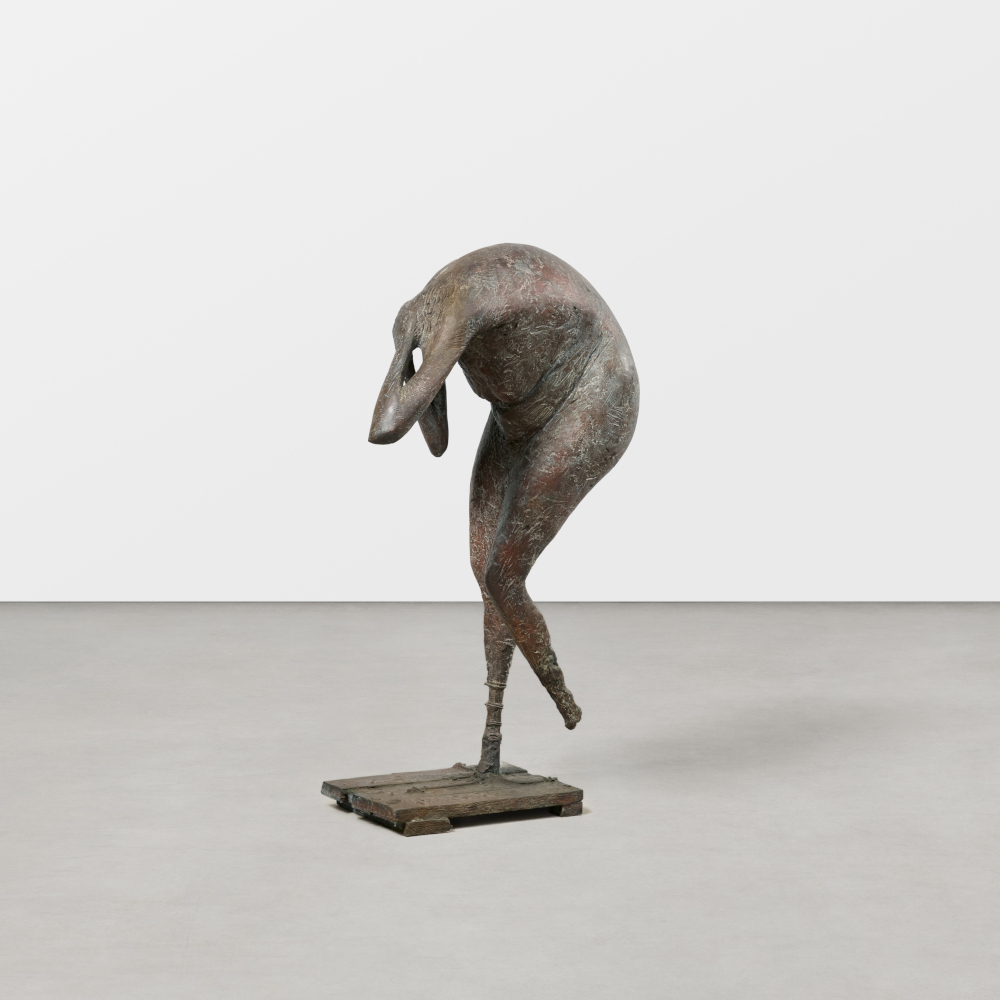
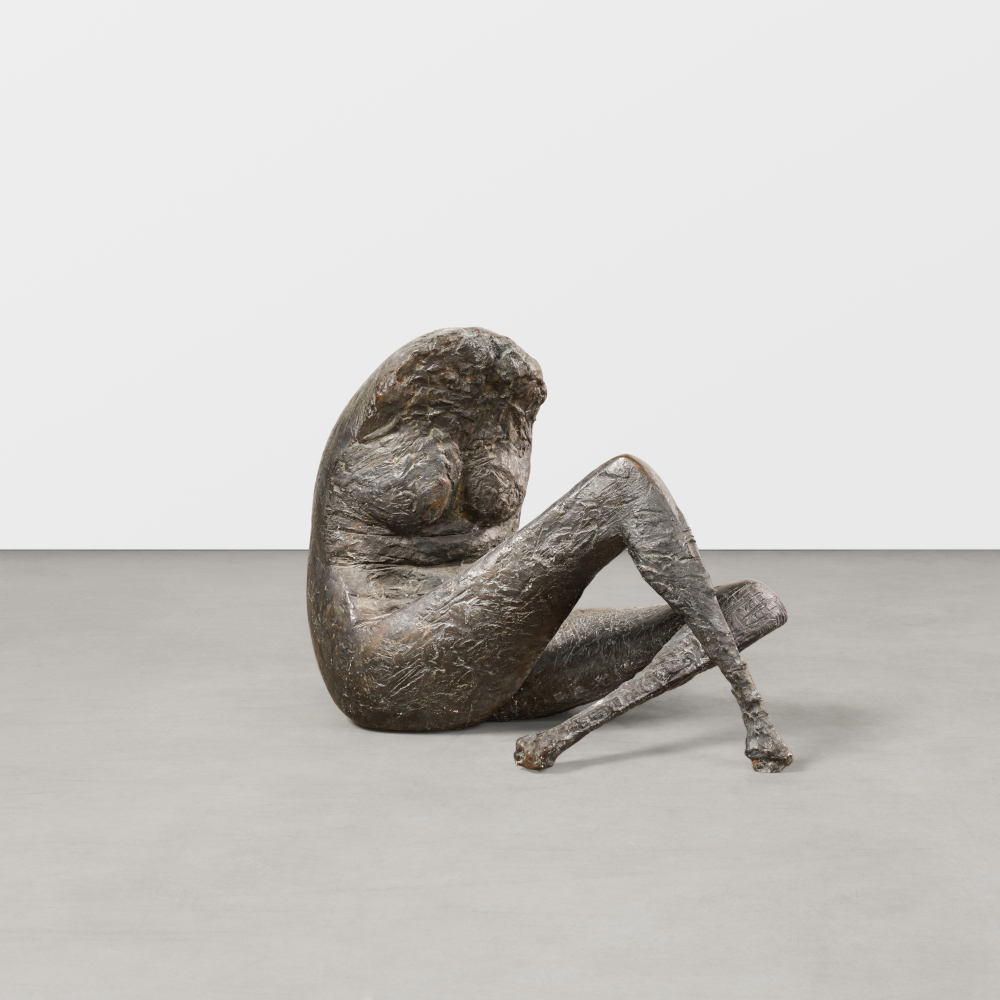
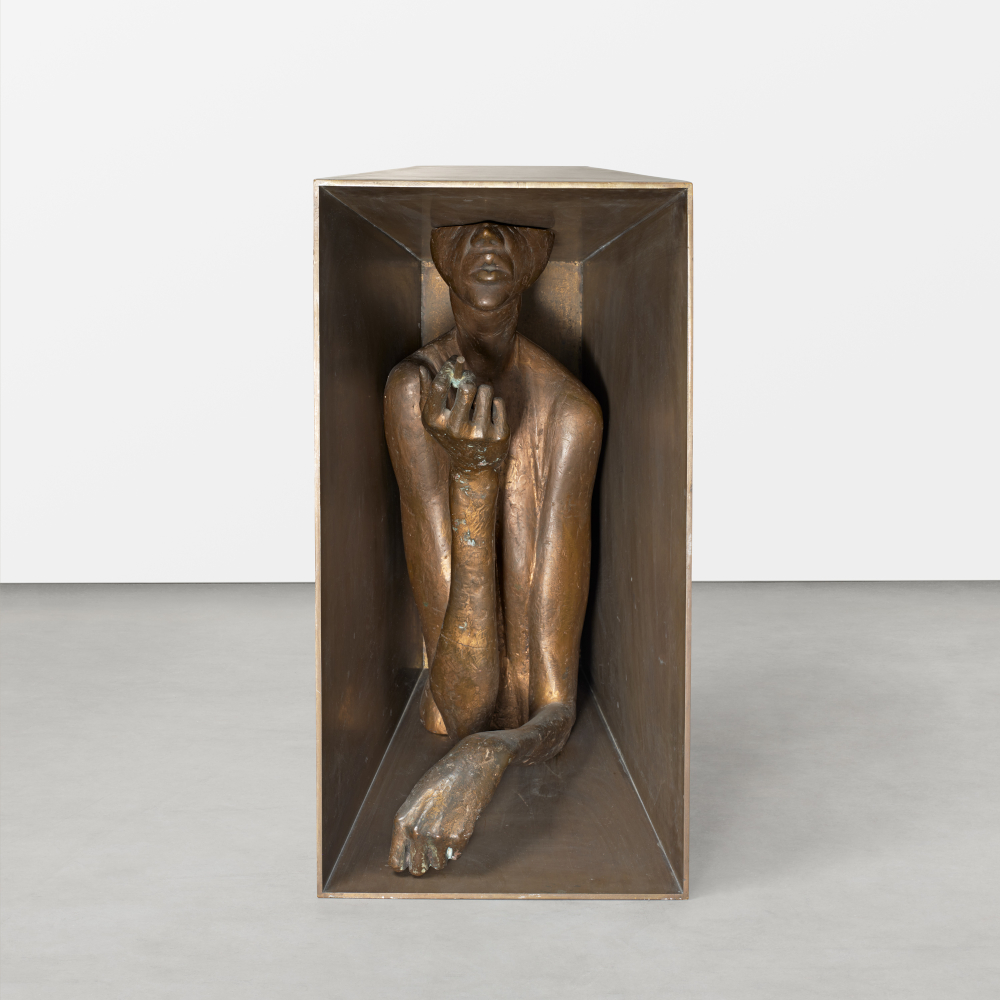
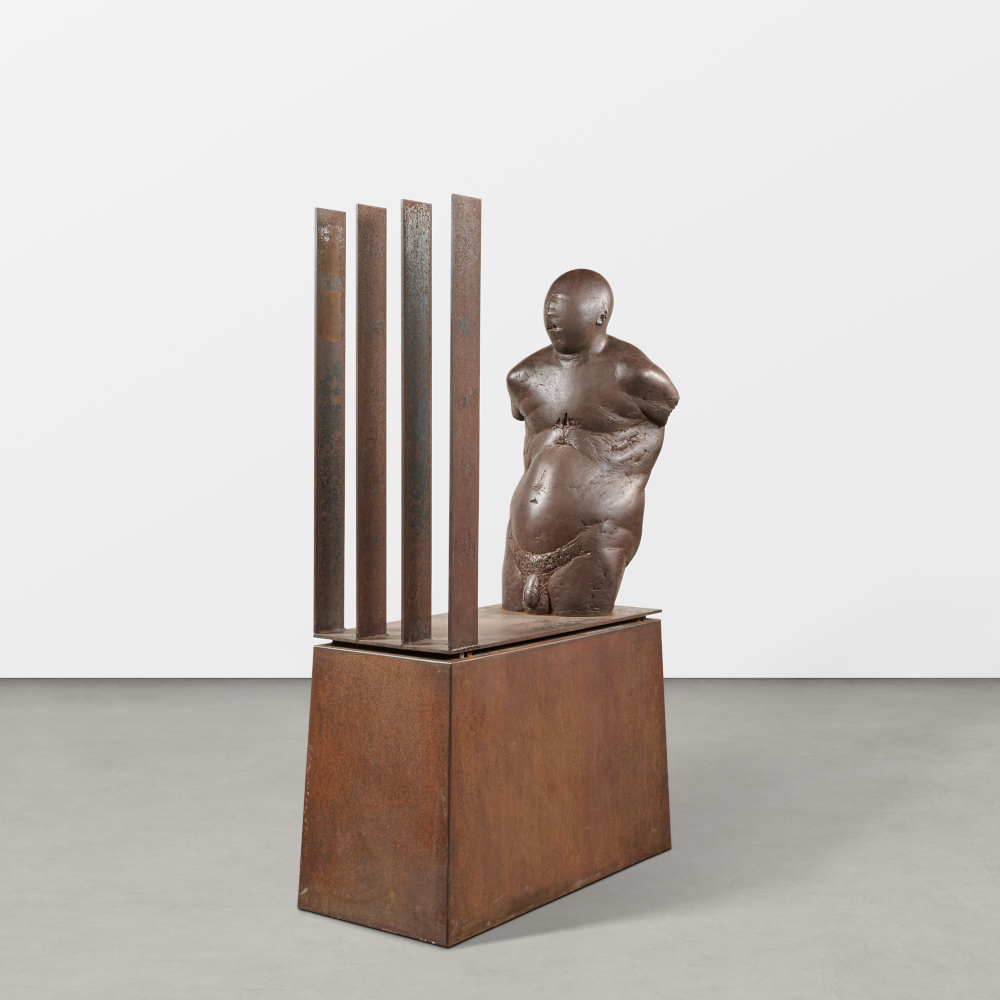
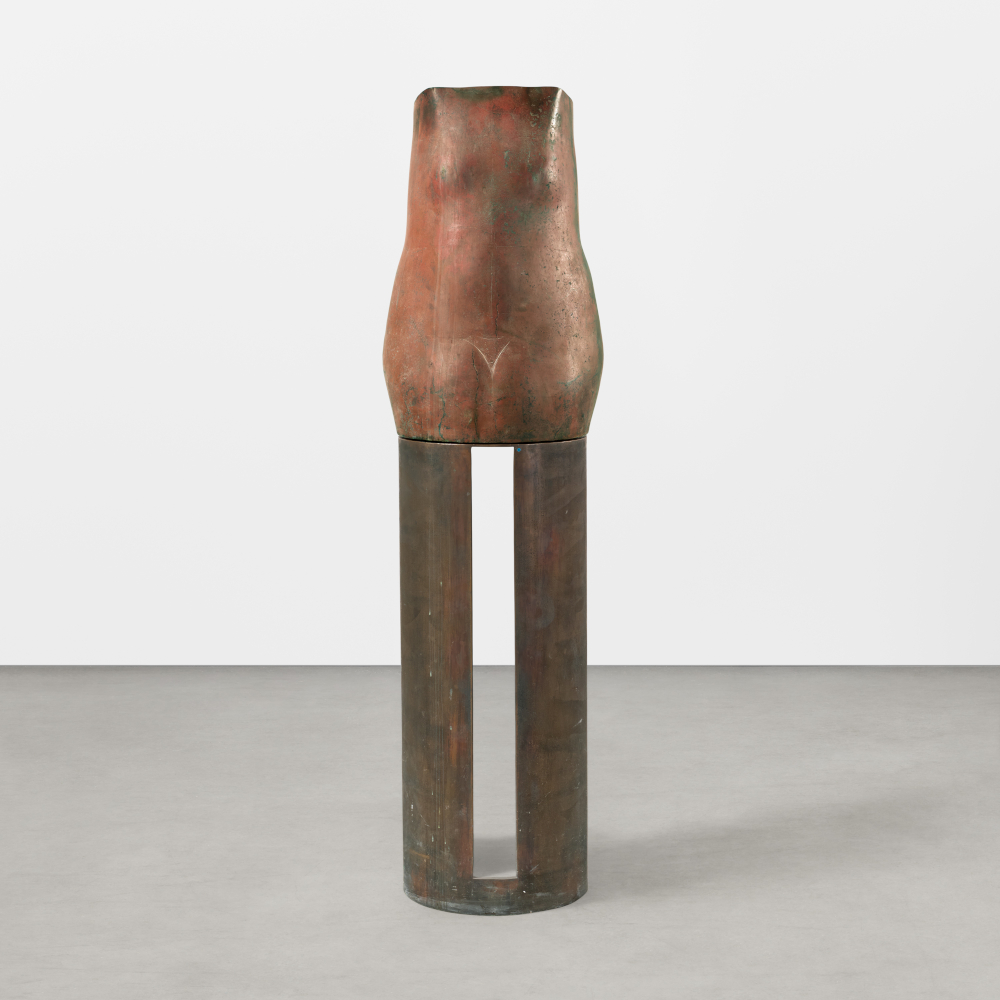
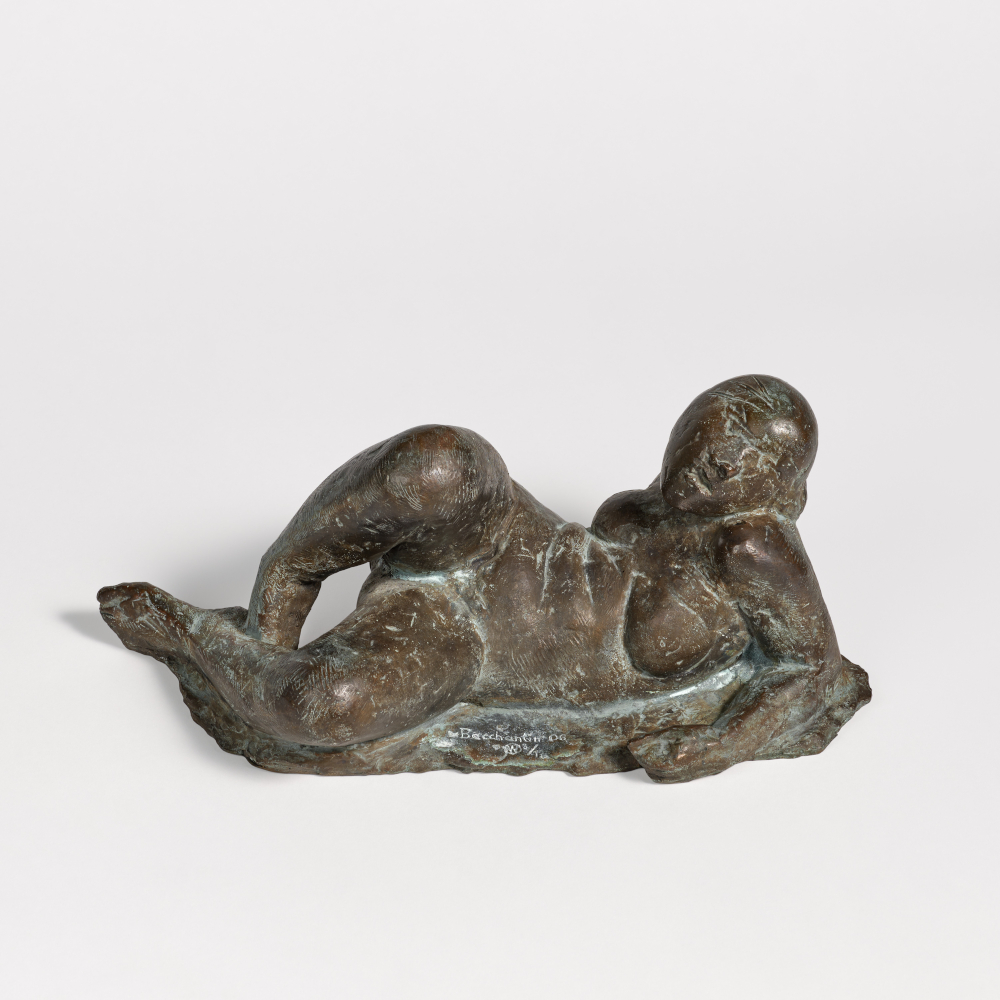
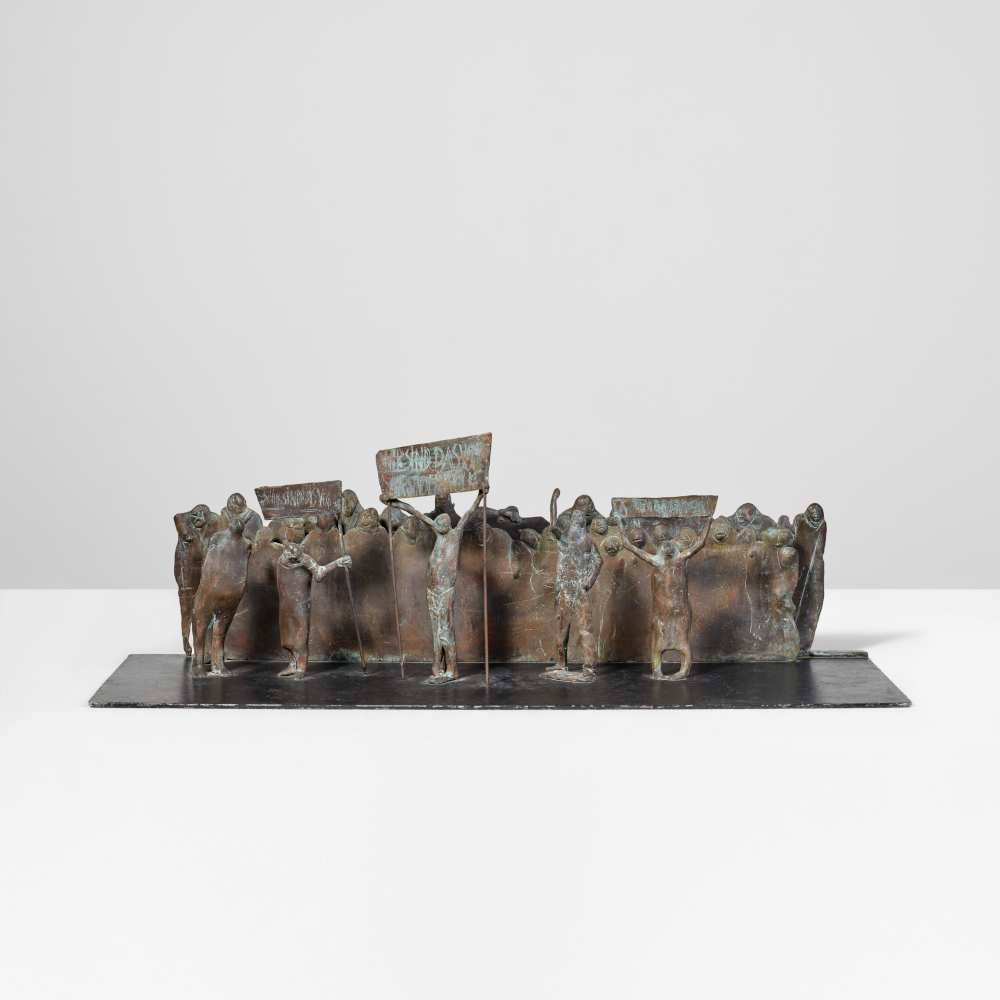
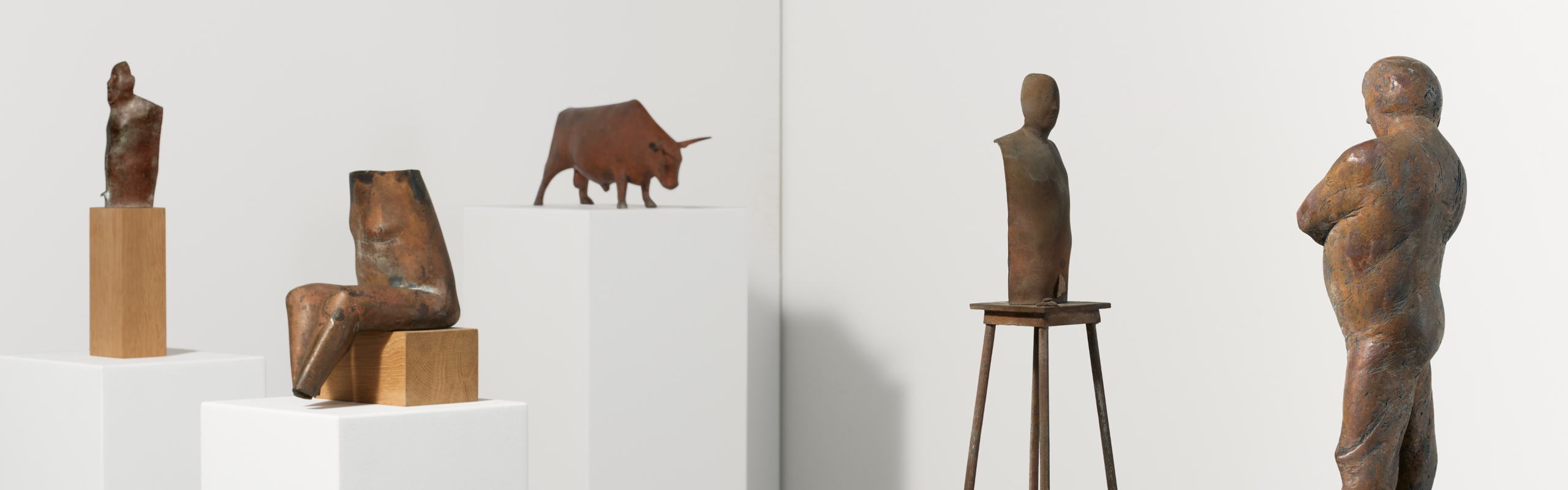
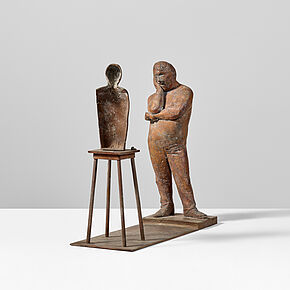
The auction “Waldemar Otto. Bronzes” brings together 50 sculptures from the estate of sculptor Waldemar Otto (1929-2020). The selected works from 1961 to 2018 reflect 60 years of his work in the field of figurative art. They are characterized by a profound exploration of the human figure. Otto understood how to depict postures, movements, and gestures in an impressive tension between realism and abstraction.
The seven groups of works focus on female and male nudes, some of which are full-figured and others fragmented. The figures are often placed in spatial structures by pedestals, steles, and supports, reminiscent of existential works by Alberto Giacometti, Francis Bacon, and Alfred Hrdlicka. Contortions and distortions of the bodies reflect fears and exposure. In some cases, they have grotesque and caricature-like features or an appealing character. In the tradition of Albrecht Dürer or Egon Schiele, there are many bronze self-portraits that relentlessly reproduce the artist's body. They speak of dignity, vulnerability, and the emotional state of human beings.
Waldemar Otto was an important North German sculptor of the post-war modernist period, who became known above all for his powerful yet sensitive bronze sculptures. The traumatic experiences of his childhood in Piotrków Trybunalski, where the first Nazi collection camp in occupied Poland was established by the National Socialists, had a lasting impact on the pastor's son. After pioneering stints in Berlin and Bremen, Otto lived and worked in Worpswede for many years. There, he was confronted with the broken biography of Bernhard Hoetger and played a decisive role in shaping artistic life. In addition to his work as a freelance artist, Otto was also an influential teacher. As a professor at the University of the Arts in Bremen, he headed the sculpture department and trained numerous students who carry on his artistic legacy. In Worpswede, Otto found an environment that suited his art: the combination of landscape, nature, and creative work. It was here that he created many of his large sculptures, which can now be seen in public spaces as well as in museums and numerous churches. His work has helped to make Worpswede famous not only as a place of painting, but also of modern sculpture.
Waldemar Otto
Eva II | 1965-66 | Bronze | dark brown patina | 102 x 30.5 x 64 cm
Estimate: € 4,000 – 6,000
Waldemar Otto
Large Luna | 1967 | Bronze | dark brown patina | 51.5 x 36.5 x 80 cm
Estimate: € 2,000 – 3,000
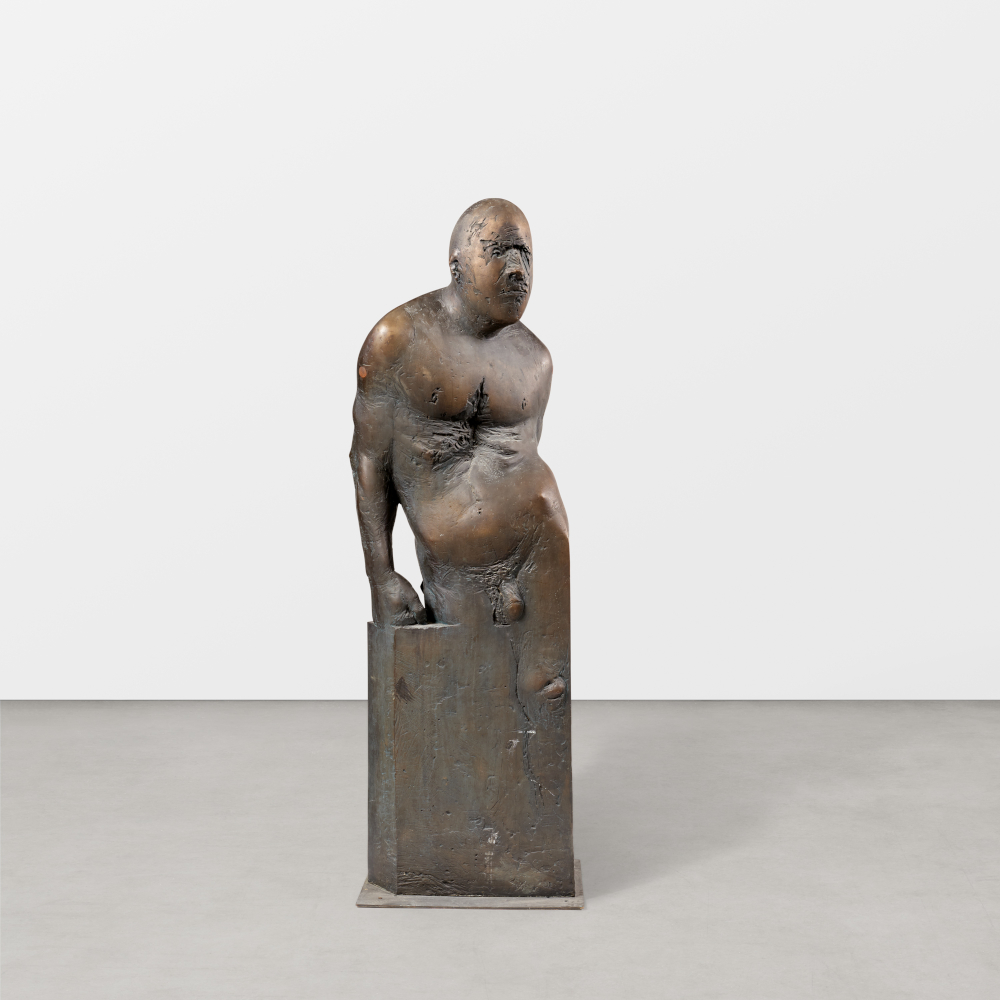
Waldemar Otto
Großer Hephaistos IV | 1988 | Bronze | Dark brown patina | 192 x 59.5 x 39 cm
Estimate: € 15,000 – 20,000
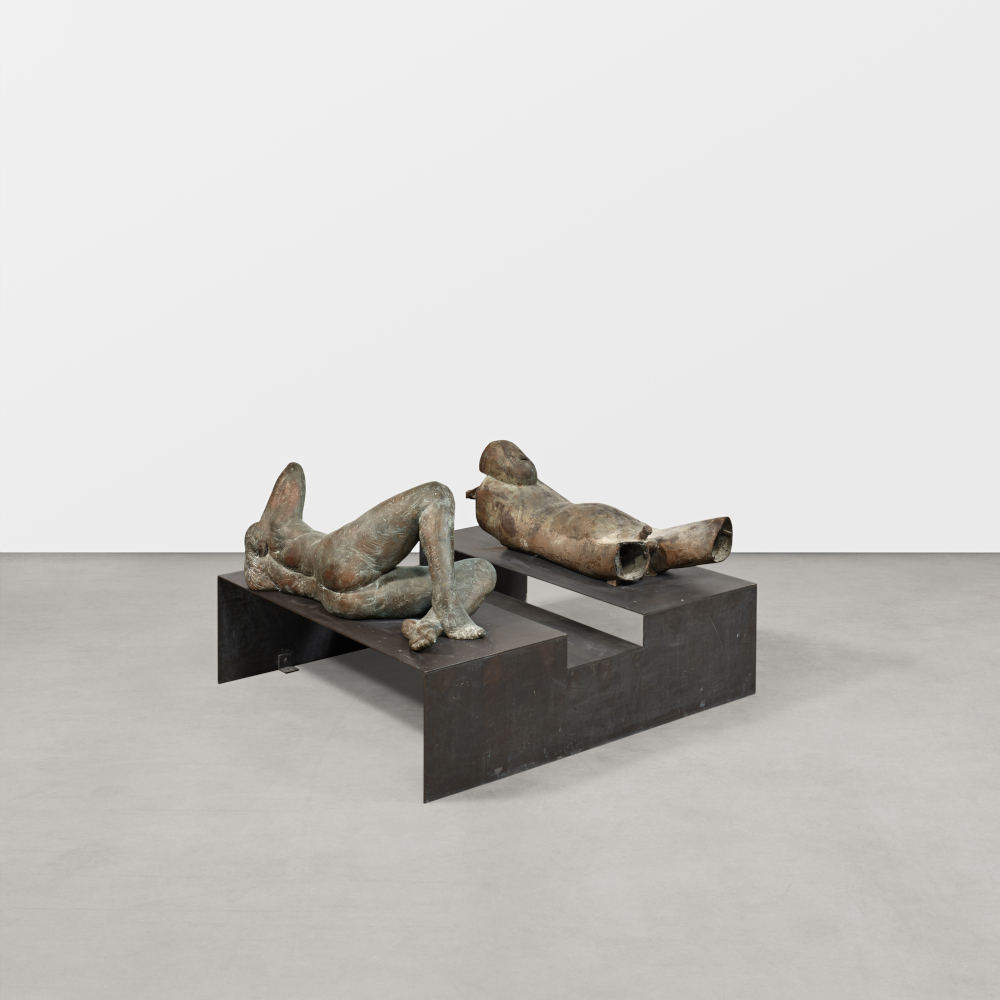
Waldemar Otto
Große Bacchantengruppe I | 1988 | Bronze | brown patina | 73 x 130 x 115 cm
Estimate: € 10,000 – 15,000
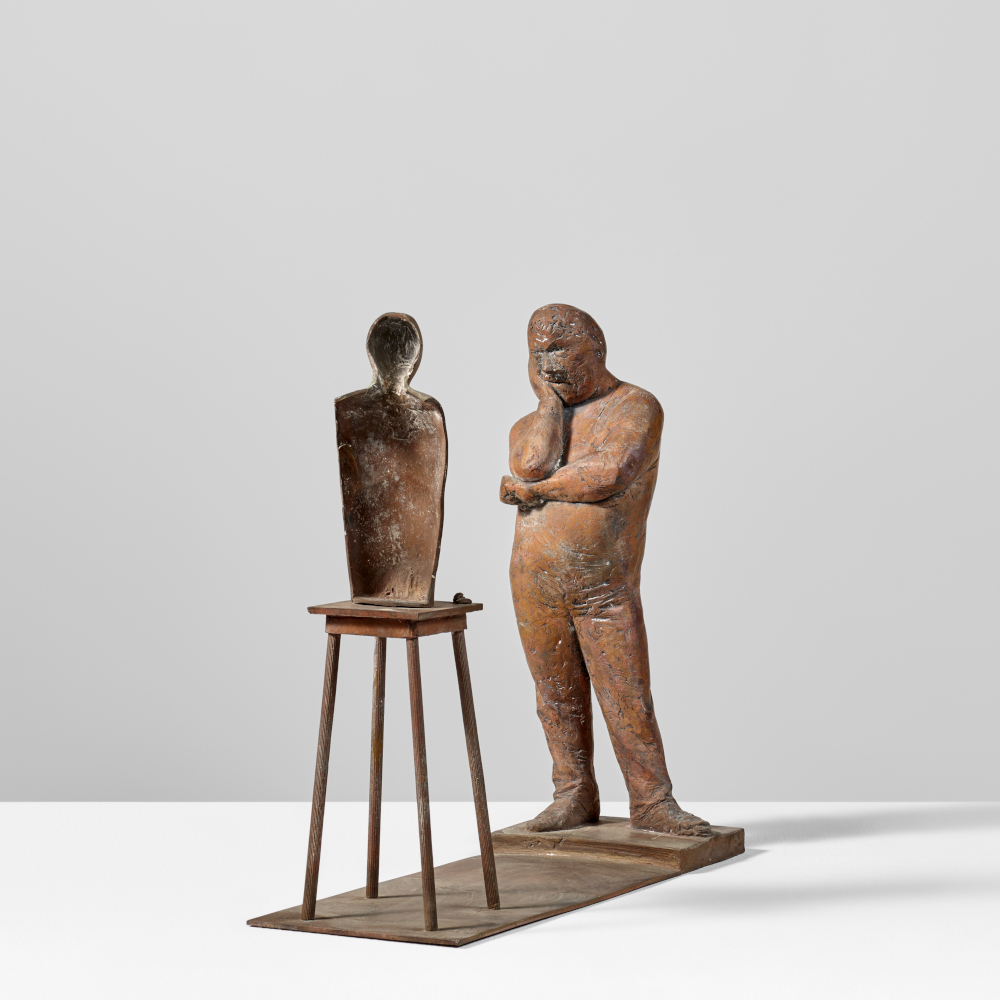
Waldemar Otto
Macher und Machwerk III | 1989 | Bronze | light brown patina | 52.5 x 56.7 x 20.5 cm
Estimate: € 1,500 – 2,000
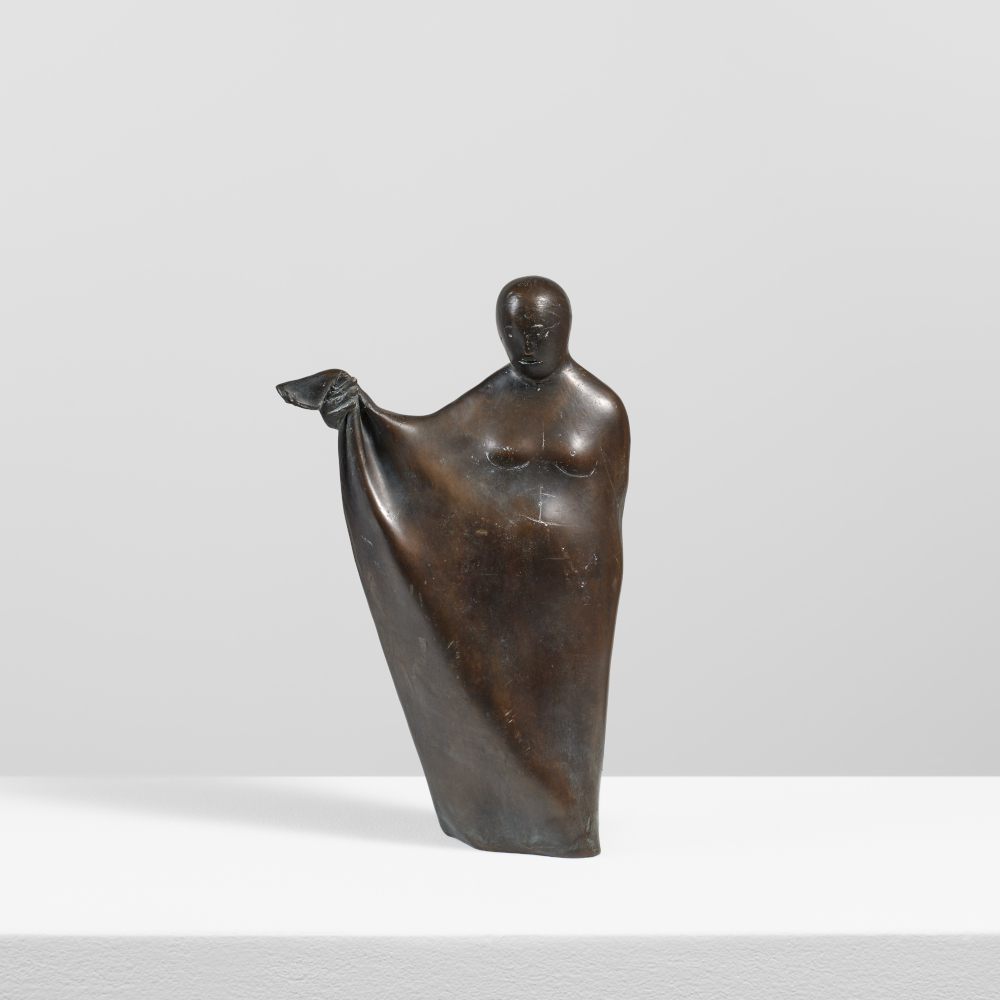
Waldemar Otto
Figur mit Gewand XXVIII | 2004 | Bronze | dark brown-green patina | 31.5 x 20 x 9.2 cm
Estimate: € 1,000 – 1,500
Waldemar Otto
Großer weiblicher Torso XII (Stehend) | 1995 | Bronze | 186.5 x 50.5 x 35 cm
Estimate: € 8,000 – 12,000





Call us at +49 (221) 92 58 62-0or write to us. We will process your request promptly and get back to you as soon as possible. If you would like us to call you back, please specify a time slot within our business hours (Mon-Fri 10 a.m. to 5 p.m.).